
Interest rates have a sneaky way of creeping into our everyday lives, often quietly influencing everything from
that dream house purchase to your next car loan. The Federal Reserve, as the architect behind these rates, wields significant power over what we ultimately pay each month—and, more importantly, how much we can actually afford. Let’s break down how policy shifts ripple into our lives.
The Role of the Federal Reserve in Shaping Interest Rates
You know what I find kind of fascinating? Most folks, when they think about the Federal Reserve—yeah, the “Fed”—imagine it as this shadowy boardroom full of number-crunching big shots, just quietly pulling the economic strings from some top-secret location. That’s the picture in my head, anyway. But here’s the twist: while the Fed might seem a bit mysterious and distant, what they decide over there actually has a weirdly personal impact. Like, the ripple effects aren’t just for Wall Street—they end up right on your kitchen counter, buried in that monthly budget you wrestle with.
So, what’s the real story? In a nutshell, the Fed is supposed to keep America’s financial gears spinning smoothly. Think of it kind of like a traffic controller at a busy intersection—strong coffee in hand, eyes darting. Their job is to manage economic growth, keep inflation from running wild, and steer us away from smashes on the financial highway. One of their main tricks is called monetary policy (promise this isn’t as boring as it sounds!). At the heart of it? The federal funds rate. That’s just the interest rate banks use when lending to each other overnight. Not glamorous, but trust me, when the Fed tweaks this number, changes cascade—mortgage rates, credit cards, student loans, you name it.
The Fed’s got a whole toolbox. The classic move: open market operations. Basically, they buy or sell government bonds. When they buy, there’s more cash swimming around, and borrowing gets a bit cheaper. When they sell? Money gets tighter, and it costs more to take out a loan. Sounds like Monopoly money games? Maybe a little, but if you just tried to get a mortgage in the last year (2024’s housing market was wild, right?), you already felt those moves in your wallet.
But why juggle interest rates in the first place? Let’s say everyone’s hiring and paychecks are climbing, but suddenly, everything costs a fortune—cereal, sneakers, even coffee. The Fed might tap the brakes by raising rates, making loans pricier so we all think twice before buying that third car or new fridge. On the flip side, if the economy tanks and layoffs hit, they’ll often lower rates to nudge us into spending and investing again.
At the end of the day, these high-level decisions by the Fed circle back to, well, you. The monthly bills, the “should I even buy a house right now?” conversations—yeah, that’s all connected. But that’s a rabbit hole we’ll jump into soon enough. Speaking of which…
From Rate Decisions to Monthly Bills
You know what’s interesting? Every time the news talks about the Fed bumping up interest rates, my phone lights up with texts from friends worried about their mortgage. Sound familiar? There’s a reason for that little jolt of anxiety. When the Federal Reserve nudges rates higher, it’s not just some distant Wall Street shuffle. Nope, those changes have a knack for tiptoeing straight into our homes—and wallets.
Let’s get real: imagine you scored a 30-year fixed-rate mortgage a couple years back—maybe at 3%. A pretty sweet deal, actually, especially considering what’s happened lately. That payment? Rock solid. You could ignore every rate change and still sleep easy (or at least easier). But if you landed an adjustable-rate mortgage, things get a bit more unpredictable. As rates rise, your bank might readjust what you owe each year—sometimes even sooner. And just like that, your $1,500-a-month payment could quietly inch up to $1,700. Ouch. You feel the squeeze, right?
It’s not just mortgages, though. Buying a car? If you shopped while rates were low—say, early 2024—you might be paying around $400 a month. But fast-forward after a couple of Fed hikes? Those buying the same car now could be shelling out an extra $50 monthly. Small potatoes at first glance… until you add it up over five years. That’s not pocket change—that’s a few weekends out with the kids, gone to interest instead.
Speaking of which, amortization comes into play (I know, it sounds technical, but stick with me). Basically, when rates go up, more of your payment heads straight into the black hole of interest, with less hitting your principal. For folks who are already budgeting down to the last dollar, even half a percent can turn things from “tight” to “uh-oh.” I’ve seen it happen—my cousin almost had to put off their vacation because of a tiny interest hike.
On the flip side, banks aren’t immune. Higher rates often lead to stricter lending—think higher credit requirements, or asking for more cash up front. If getting a loan lately feels like trying to jump through flaming hoops, you’re definitely not alone.
At the end of the day, those rate hikes? They never just stay in the headlines. They find their way onto our bank statements, one way or another. Funny how that works, isn’t it?
Affordability in a Changing Rate Environment
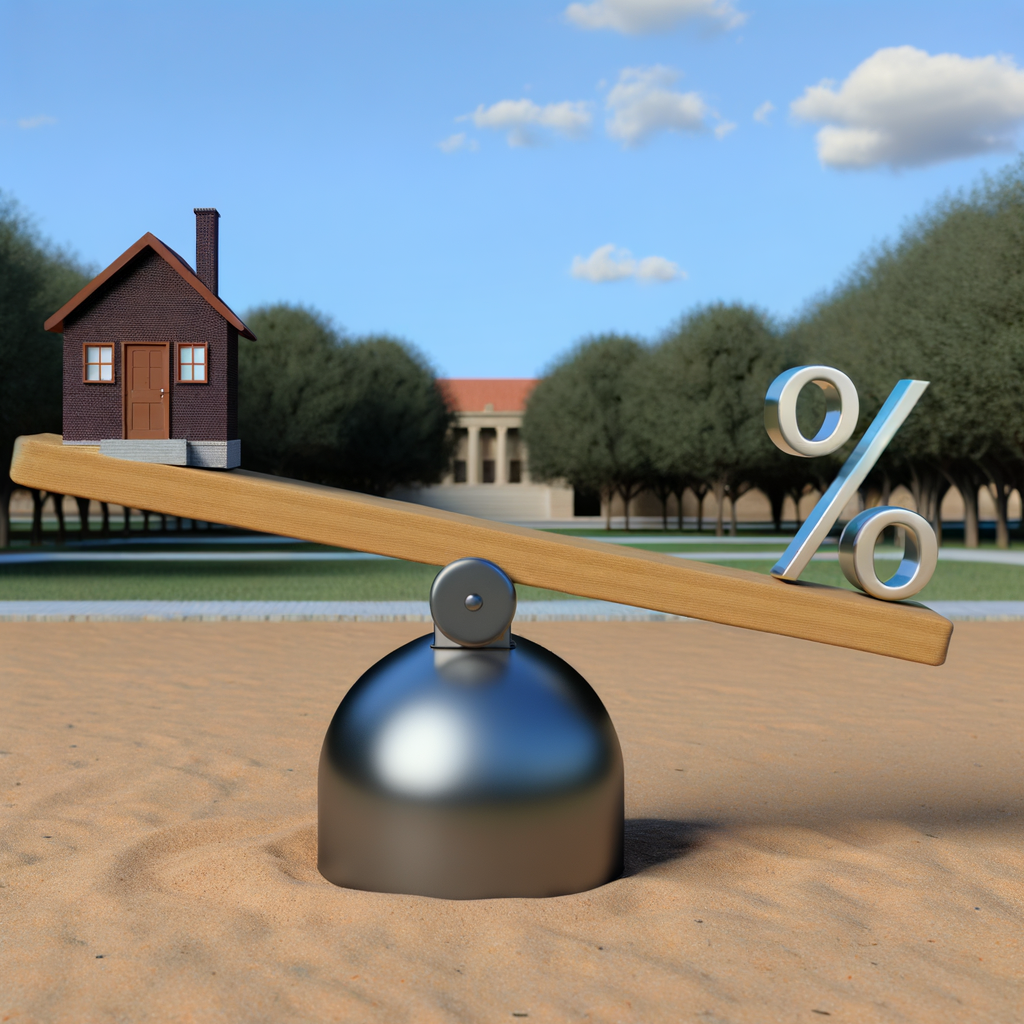
You know what’s interesting? The whole economy kind of acts like a see-saw every time the Fed messes around with interest rates. One minute, you’re eyeing that sweet little starter house or dream car, feeling like it’s almost yours—you can practically see yourself turning the key. Next thing you know, poof, it slips just out of reach. Or, on rare days, it actually feels closer. Weird, right? Ever been there? Like, one month, your budget feels just right—comfortable, even. Then the following month, you’re staring at the numbers thinking, “Wait, where’d all my money go?”
Take first-time homebuyers for example—they’re constantly at the mercy of these shifts. If the Fed bumps rates even a little, suddenly that manageable mortgage morphs into something more like, “Can we actually afford a guest room?” I’ve heard friends groan about down payments that suddenly feel like lifting weights, only heavier. And then there’s the waiting game—people sit on the fence, hoping ‘spring rates’ will bloom, but sometimes that season just never comes. It’s a real open-and-shut window. One day open wide, the next—slam—it’s closed.
And hey, renters aren’t getting off easy, either. When buying becomes tougher, more people stay put in rentals. That spikes demand—and you guessed it, rent prices shoot up too. It honestly feels like musical chairs, only the music’s getting louder and the chairs fewer with each beat (super fun, right?).
Businesses? Yeah, they feel the pinch as well. Suddenly, taking out loans for renovations or new hires gets pricey. Those big plans? Sometimes, they just get punted down the road.
But here’s the thing: there are ways to navigate this mess. I’ve seen a couple friends jump in and grab fixed-rate deals just before a rate hike, totally by chance. Talk about landing on your feet. Refinancing windows, keeping your credit sharp—these little moves can make a difference. Honestly, it’s kind of a dance, balancing patience with quick action. Is it stressful? Some days, absolutely. But getting a sense of how all these up-and-down swings work—that’s half the work done. (Well, sort of. Let’s be real—there’s always more waiting around the corner.)
Planning Ahead: Strategies for Navigating Rate Uncertainty
You know what’s funny? Trying to plan ahead when interest rates are all over the place feels kind of like driving through thick fog—one minute you think you know where you’re headed, and the next, you’re squinting just to see a few feet in front of you. It can be frustrating, honestly. But here’s the thing: you don’t have to feel stuck or throw in the towel.
I’ve found that building some flexibility into your budget—it’s sort of like having an umbrella on a day when you’re not sure if it’ll rain. If you’ve got a car loan or a mortgage (and these days, who doesn’t?), interest rate changes can really throw you for a loop. Amira out in Phoenix told me not long ago—she started checking her expenses every week instead of once a month. (Turns out her daily lattes were adding up fast—her words, not mine.) When her adjustable mortgage payment took a leap, she didn’t panic.
Speaking of which, just because a lender waves a contract in your face doesn’t mean you have to sign. Ever catch yourself thinking, “Eh, this offer looks fine”? Don’t. My brother-in-law—he’s not usually the shopping-around kind—asked three banks for car loan quotes. Ended up saving about $80 every month. Not peanuts.
And refinancing? It can save your bacon, but the timing needs to be right. Back in 2020, when rates dropped (feels like yesterday, huh?), my friends Lisa and Dani snagged a refi and shaved years off their mortgage. Of course, not everyone catches the wave. Missed a good window? Happens. Rates rise and fall—eventually another shot comes your way.
The nitty-gritty: stay updated (apps, newsletters—pick your poison), bounce big ideas off a financial pro when you can, and try not to freak out over every headline. Rate hikes are honestly nerve-wracking, but if your budget’s flexible, you’ll manage—even when the weather gets rough. Basically, just keep steering. The shoreline’s still there, even if you can’t always see it.
Conclusions
The Federal Reserve’s decisions around interest rates send ripples across our financial landscape, impacting monthly bills and what we can truly afford. By understanding the mechanisms at play and preparing for fluctuations, you can better position yourself to weather economic shifts—and seize the right opportunities when they arise. Stay curious, plan wisely, and let knowledge be your best financial ally.